How to Build an Emergency Fund Fast: 7 Practical Steps for Financial Security
Life rarely gives advance warning before things go sideways. One day everything is running smoothly, and the next, your car makes a strange grinding sound, or your home's cooling system quits working right in the middle of a heatwave. Add sudden medical bills or an unexpected layoff into the mix, and even a carefully planned budget can fall apart within days.
Anyone who has ever leaned on a high-interest credit card or borrowed cash from a friend to cover a surprise bill already understands how draining that kind of financial pressure feels. That's why a dedicated cash reserve isn't just a nice-to-have — it's a core part of staying financially and mentally steady.
Starting a savings cushion from zero can feel overwhelming, especially if your paycheck barely stretches to the next one. The good news is that building a real safety net doesn't require a massive income. With a few deliberate changes to how you manage your money, you can grow a solid emergency reserve faster than you'd expect. This guide walks through seven practical, actionable steps to help you build one quickly.
Table of Contents
What an Emergency Fund Actually Is (and Isn't)
An emergency fund is money set aside purely for sudden, unavoidable expenses — nothing else. Think of it as a cushion that absorbs financial shocks so a bad month doesn't turn into a bad year. It isn't designed to grow your wealth through returns; its only job is keeping you out of costly debt when something unplanned happens.
Just as important is knowing what this fund is not for. It's not meant for holidays, seasonal shopping, or the newest phone release. Expenses you can see coming — like yearly insurance premiums or gift-giving season — belong in a separate, planned savings category instead.
Real Emergency or Regular Expense?
Before dipping into the fund, ask yourself three quick questions:
- Is it urgent? Does it need to be handled right now?
- Is it necessary? Does it affect your health, safety, or income?
- Was it unexpected? Could you not have planned for it in advance?
If you answer yes to all three, it qualifies as a genuine emergency.
How Much Should You Realistically Save?
Most financial experts suggest aiming for three to six months' worth of essential living costs — not your full salary. The key word is "essential." You're covering survival expenses during a rough patch, not maintaining your entire current lifestyle.
| Essential Costs (Include) | Non-Essential Costs (Exclude) |
|---|---|
| Rent or mortgage | Restaurant meals and food delivery |
| Utility bills | Streaming and entertainment subscriptions |
| Groceries and essentials | Travel and vacations |
| Transportation costs | Shopping sprees and non-essential gadgets |
| Minimum debt and insurance payments | Hobbies and entertainment |
If the full target feels out of reach right now, aim smaller first. A $1,000 starter fund is a realistic first milestone — it builds momentum and covers the majority of small, unexpected costs like a broken appliance.
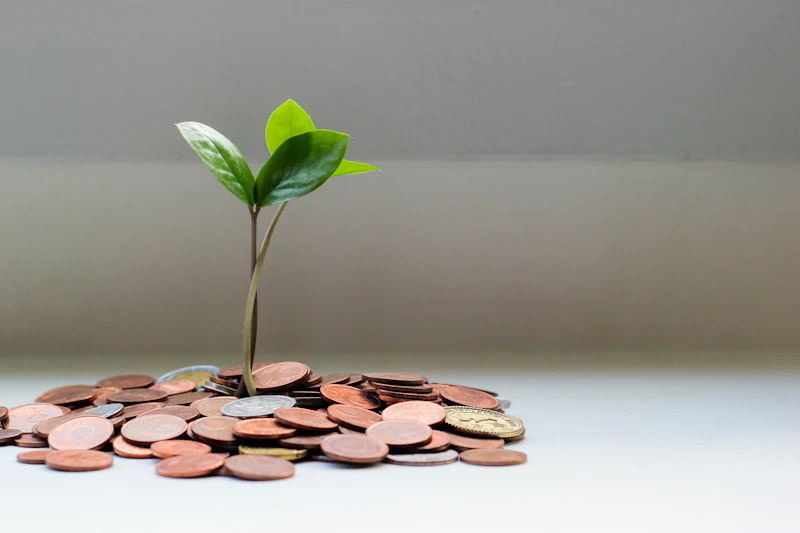
A dedicated cash buffer gives you peace of mind when the unexpected happens.
7 Steps to Build Your Emergency Fund Quickly
Step 1: Pick a Clear, Specific First Target
Vague intentions rarely lead anywhere. Rather than saying "I'll save more," commit to a concrete number, like $1,000, and break it into smaller monthly chunks. Saving $250 a month, for example, gets you there in four months. A defined number gives your effort direction.
Step 2: Review Your Spending and Cut the Waste
Go through your last couple of months of bank statements and flag anything non-essential. Look for forgotten subscriptions, unused memberships, frequent takeout, or premium upgrades you don't really need. Cancelling even two or three of these and cooking more at home can free up an extra $150–$300 a month for your fund.
Step 3: Make Saving Automatic
Waiting to save "whatever's left" rarely works, because most people spend what's available. Flip the habit: set up an automatic transfer on payday that moves a fixed amount straight into a separate savings account before you get the chance to spend it. Out of sight tends to mean out of temptation.
Step 4: Try a Short-Term Spending Freeze
For a fast cash boost, challenge yourself to a 14–30 day "no-spend" period. During this window, only pay for true essentials — rent, groceries, utilities, transport. Skip dining out, delivery apps, online shopping, and paid entertainment entirely. A month of discipline can meaningfully jumpstart your savings.
Step 5: Sell Things You Don't Use Anymore
Look around your home — closets, garage, storage bins. Most people are sitting on hundreds of dollars in unused stuff: old electronics, spare appliances, clothes, or sports gear. List them on marketplaces like Facebook Marketplace or eBay, and send the proceeds straight to your emergency fund. This alone can push you past your first milestone within days.
Step 6: Redirect Unexpected Money
Whenever unplanned cash comes your way, commit to saving most of it instead of spending it. Common sources include:
- Tax refunds
- Work bonuses
- Cash gifts
- Insurance payouts or rebates
- An extra paycheck in a five-Friday month
Treating windfalls as savings rather than spending money speeds up your progress considerably.
Step 7: Add a Side Income Stream
Cutting expenses only goes so far — there's a limit to how much you can trim. Earning more, on the other hand, has no ceiling. A few hours a week freelancing, tutoring, pet-sitting, or driving for a rideshare app can meaningfully speed up your timeline. Treat every dollar earned this way as dedicated savings.

Regularly tracking your spending helps reveal where extra savings are hiding.
Best Places to Store Your Emergency Cash
Where you park your emergency money matters almost as much as saving it. You want an account that's liquid, safe, and earns at least some interest so inflation doesn't quietly eat into it.
High-Yield Savings Accounts
An online high-yield savings account is generally the top choice. Unlike a traditional bank account that pays close to nothing, these accounts offer much stronger interest rates while staying FDIC-insured and accessible within a day or two.
Money Market Accounts
These blend features of savings and checking accounts, often including debit card or check access, giving you slightly quicker access to funds during a crisis while still earning competitive interest.
Where to avoid: Don't lock emergency money into CDs, stocks, real estate, or crypto. In a true emergency, you can't afford to wait out a market dip or pay a penalty just to access your own cash.
Mistakes That Slow Down Your Savings
- Chasing high returns: This money is for protection, not growth — keep it out of stocks, options, or crypto.
- Mixing it with everyday spending money: Keeping it in your regular checking account makes it too easy to dip into for non-emergencies. Keep it separate.
- Over-saving before tackling high-interest debt: If you're carrying credit card debt at 20%+ APR, build a small $1,000 cushion first, then focus on the debt before growing the fund further.
- Feeling guilty about using it: Some people get so attached to the balance that they hesitate to use it even during a real emergency. That defeats the purpose — it's there to be spent when needed.
What Others Have Experienced
Many savers report that automating a fixed transfer on payday, combined with a short spending freeze, helped them reach a $1,000 cushion within just a few months — often just in time to cover an unexpected car or home repair.
Others find that moving savings to a separate high-yield account, away from their everyday bank, makes a real psychological difference — it becomes harder to dip into casually, and watching the interest add up keeps motivation high.
A common strategy that works well: selling unused items around the house for a quick few hundred dollars, then combining that with a tax refund to reach a full three-month cushion much faster than expected.
Frequently Asked Questions
1. Should I build an emergency fund before paying off credit card debt?
Start with a small $1,000 cushion first so you're not forced back onto credit cards for surprises. After that, shift focus to aggressively paying down high-interest debt before growing the fund to a full 3–6 months.
2. Can I invest my emergency fund instead of just saving it?
It's best not to. Markets fluctuate, and if a crisis hits during a downturn, you could be forced to sell investments at a loss. Stick to safe, insured accounts for this money.
3. How do I rebuild the fund after using it?
Treat it as a priority again — temporarily cut discretionary spending and direct any extra income back into the account until you're back to your target amount.
4. Is a credit card a good enough backup plan?
Not really. Relying on credit during a crisis just creates new debt with interest on top. A true emergency fund is cash-backed, so it solves the problem without creating a new one.
Disclaimer
Disclaimer: This content is for general informational purposes only and should not be treated as professional financial, legal, or investment advice. We are not licensed financial planners or advisors. Individual financial situations vary — always consult a qualified professional before making major financial decisions.
Comments
No comments:
Post a Comment